
What goes into the cost of keeping a Cavalier
The biggest cost of a dog is not what you pay at the start.

The Cavalier is a breed that asks for little, but asks regularly. It does not need the demanding grooming of a poodle, it does not ask for hours of training like a shepherd, and it causes no trouble in a flat. But there are a few things that are never skipped, and those are exactly what decide how the dog will look and behave over the years.
This page is an overview of everything that goes into daily life with a Cavalier: coat care, bathing, training, exercise, costs, travel and what changes as the dog gets older. Each topic has a detailed article of its own.
This is the first question anyone considering the breed asks, and the honest answer is the following.
The Cavalier is a breed bred for centuries to be beside people, and it copes badly with long spells alone. A dog left alone for ten hours a day is not a happy Cavalier, however regular its walks may be.
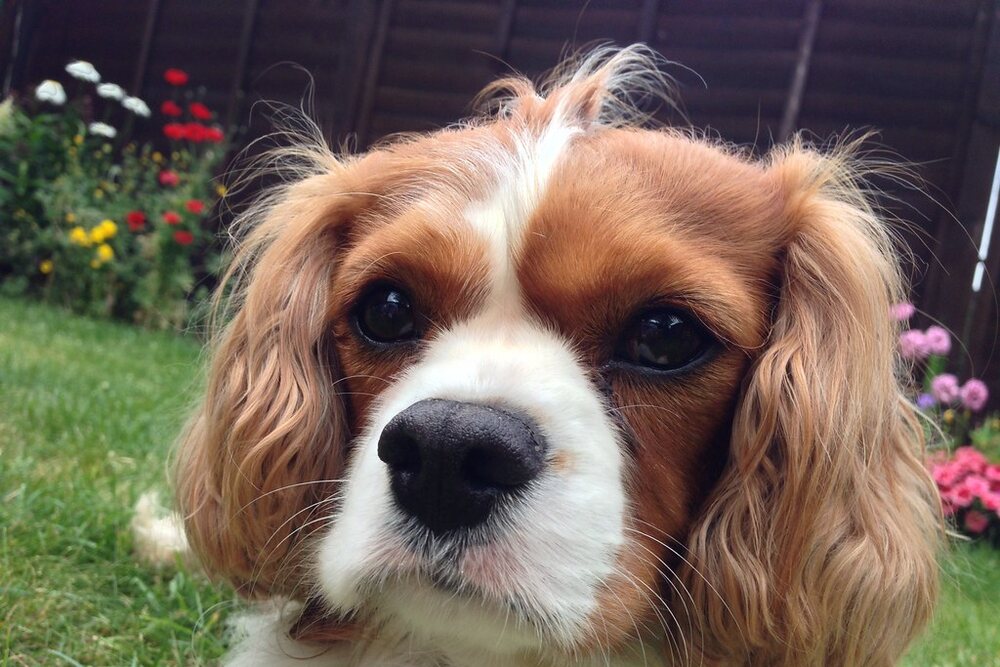
The long, silky coat looks more demanding than it is. The Cavalier is neither clipped nor trimmed into shape — the breed standard expressly forbids it — so all the work that poodle and shih tzu owners have simply does not arise.
What is actually done is brushing, and only in the places where mats really form: behind the ears, under the front legs, on the hind legs and around the tail. The rest of the body rarely causes trouble.
Less often than people think. Bathing too frequently dries out the skin and spoils the natural texture of the coat.
The most important rule with this breed is not how often, but that the ears are dried thoroughly after every bath. Moisture trapped under the drooping ear flap is the most common cause of ear infection.
The Cavalier learns easily because it wants to please, but it also has one trait that surprises owners: it takes a harsh tone extremely badly. A dog that gets told off does not become more obedient, it becomes withdrawn.
With this breed only reward-based work succeeds. Short sessions of five minutes, several times a day. What must be taught early is the recall, because the Cavalier has an inherited urge to follow a scent and can wander off.
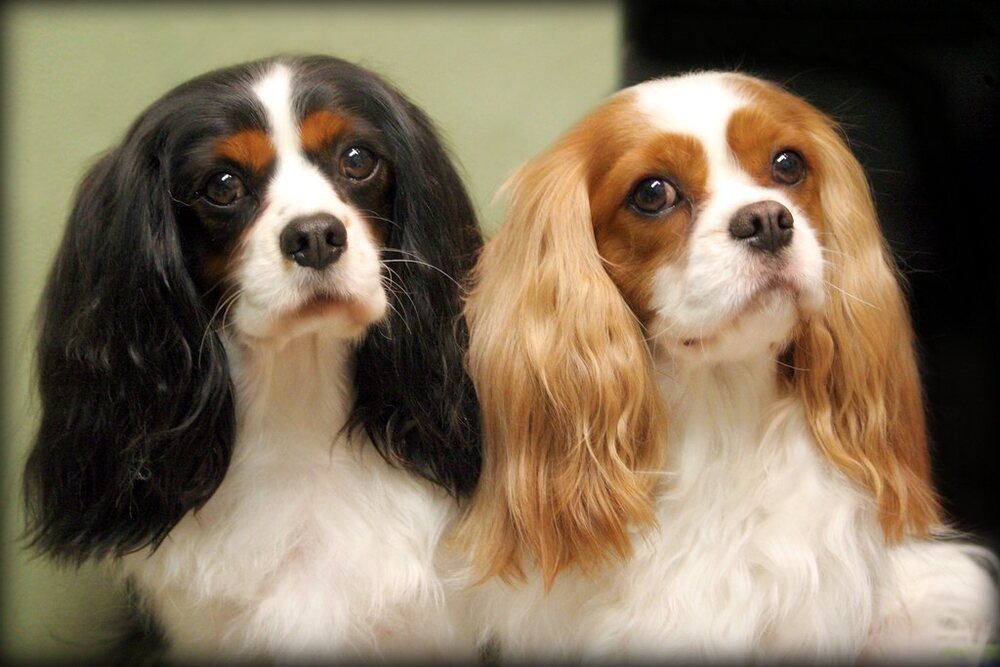
The puppy is paid for once, while keeping the dog lasts twelve to thirteen years. That calculation is rarely done in advance, and it should be.
The monthly outlay includes food, parasite protection, grooming, and the thing most often forgotten — the annual cardiac check, which in this breed is a requirement and not a matter of choice. On top of that, a reserve for the unexpected, because the breed has known health risks.
The answer people do not like to hear: the Cavalier sheds, and it is not a hypoallergenic breed.
It sheds moderately all year round, with two heavier spells in the transitional seasons. If someone in the household is allergic to dogs, this breed is not the answer — and it is better to know that before buying than after.
Its size makes the breed convenient to travel with. A six-kilo dog fits into a carrier that goes in the aircraft cabin, is easy to carry and travels well by car.
What needs thinking about is the paperwork, the rabies vaccination and getting the dog used to the carrier long before the trip itself.
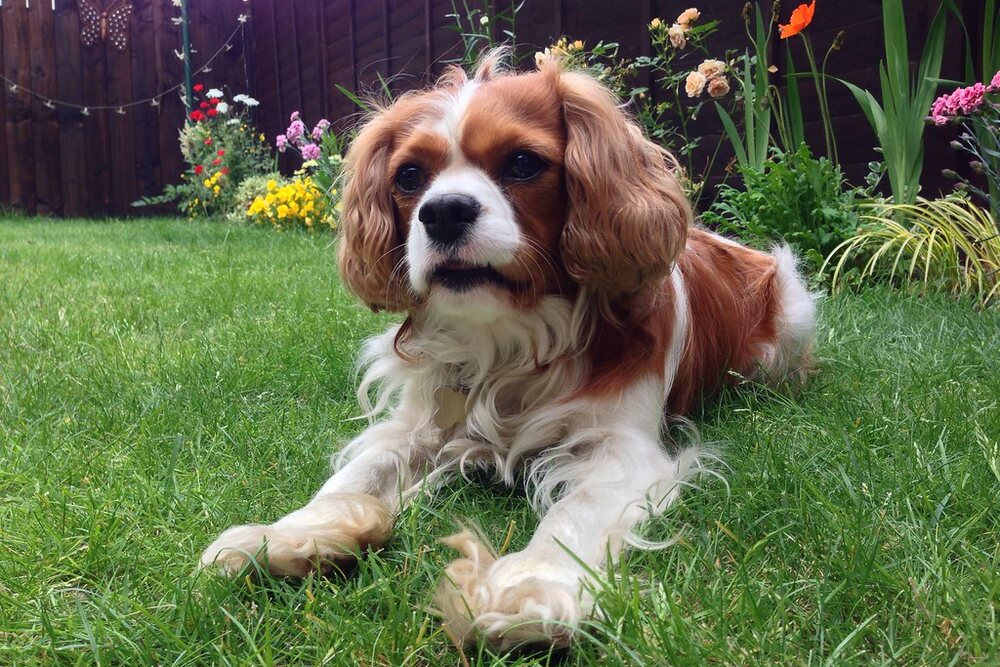
At seven the Cavalier is considered a senior dog. The rhythm changes; the need for company does not.
Walks become shorter and more frequent, check-ups more frequent, and one habit becomes more important than all the rest — watching the breathing during sleep, because that is the earliest sign that the heart is giving way.
The Cavalier does not ask for much time, but it does ask for regularity and presence. Ten minutes of brushing a week, two walks a day, an ear check and an annual heart examination cover almost everything. The one thing no routine can make up for is company — this is a breed bred for centuries to be beside people, and that is still its basic need.
The biggest cost of a dog is not what you pay at the start.

Our position is simple: a dog that will not be used for
A Cavalier is considered a senior dog after about seven years. That
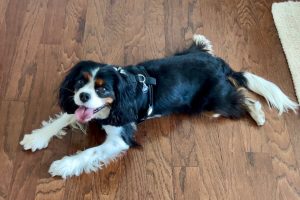
The Cavalier is one of the few breeds that genuinely suit a flat.
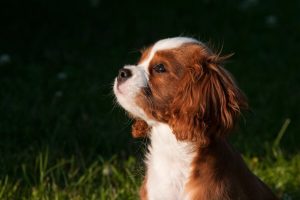
A Cavalier does not tire from walking alone. A dog that has

The Cavalier is a good travel companion. Small, adaptable and happiest when

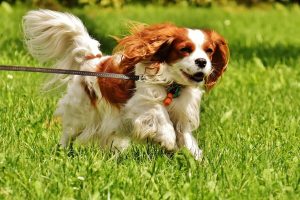
Socialisation has a deadline. The period when a puppy most easily accepts new
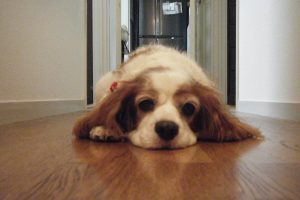
A puppy that bites is not being disobedient — it is doing exactly what
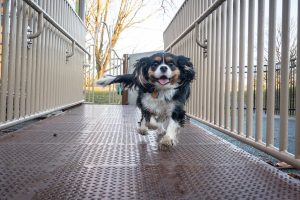
About an hour of exercise a day is enough for a Cavalier, split into
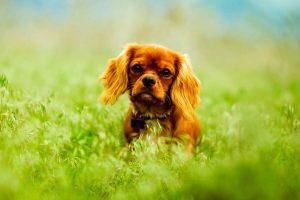
The Cavalier tolerates heat worse than most breeds its size. Its muzzle
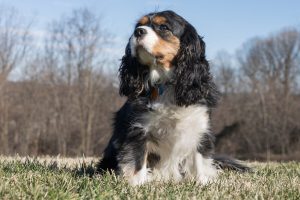
The Cavalier handles cold better than heat, but it is not a winter breed.

The first month in a new home does not decide how much the puppy

House training is not a matter of the dog’s intelligence but of the owner’s patience and

Small breeds build up tartar faster than large ones, and the Cavalier

Reddish stains under the eyes are common in Cavaliers and usually
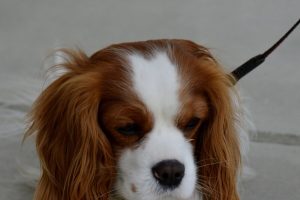
The Cavalier sheds, and it does so all year round. The coat is long
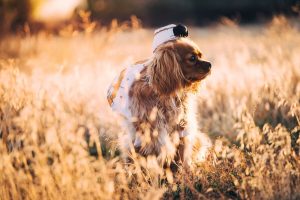
A Cavalier's coat looks more demanding than it is. It is long and

A Cavalier is bathed less often than most owners think. Too frequent

Overlong nails in a Cavalier are not a cosmetic problem but a mechanical one. A nail


