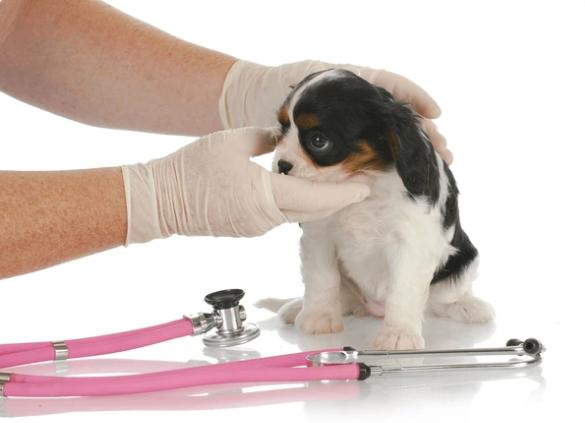
Cavalier King Charles Spaniel Health

The Cavalier King Charles Spaniel is a breed known for its charming appearance, gentle nature, and loyalty. These dogs are beloved as pets due to their adaptability and friendly character, but, like any breed, they have specific health needs and potential problems that owners should understand.

This text is dedicated to the health of Cavaliers, providing a detailed overview of the most common health conditions, preventive measures, care, and tips for maintaining the optimal health of these wonderful dogs. The goal is for owners and potential owners to gain a comprehensive insight into what is needed for a long and healthy life for their pets.

Contents:

General Health Characteristics of Cavaliers

The Cavalier King Charles Spaniel is a small breed, with an average weight between 5.5 and 8 kilograms and a height of 30 to 33 centimeters. Their lifespan is typically between 9 and 14 years, but this largely depends on genetics, care, and living conditions. Although generally healthy, this breed is prone to certain genetic and hereditary diseases that require attention. Proper nutrition, regular veterinary visits, and appropriate physical activity are crucial for maintaining their health.

Cavaliers are known for their lush coat, large eyes, and expressive faces, which makes them particularly susceptible to certain health problems, such as ear and eye infections. Additionally, their small size can make them prone to injuries if not handled carefully. Owners should be aware of these specificities to properly care for their pets.

Most Common Health Problems

The Cavalier King Charles Spaniel is, unfortunately, prone to several serious health conditions, many of which are hereditary. Here is a detailed overview of the most common problems:

Mitral Valve Disease (MVD)

Mitral valve disease is the most serious and common health problem in Cavaliers. This condition involves the degeneration of the heart's mitral valve, leading to blood leaking backward into the heart. Symptoms include coughing, difficulty breathing, fatigue, and, in severe cases, heart failure. MVD is genetically predisposed and can appear at an early age, often between 5 and 6 years.

Prevention and Treatment:

  • Regular Check-ups: Early diagnosis via echocardiogram can help detect MVD before symptoms appear.

  • Medication: Veterinarians can prescribe medications such as ACE inhibitors, diuretics, or beta-blockers to alleviate symptoms and slow the progression of the disease.

  • Adapted Diet: A low-sodium diet can reduce the strain on the heart.

  • Physical Activity: Moderate activity is beneficial, but excessive exertion should be avoided.

Owners should choose puppies from breeders who test their breeding dogs for MVD to reduce the risk of hereditary problems.

Read the detailed article on mitral valve disease in Cavaliers

Syringomyelia (SM)

Syringomyelia is a serious neurological condition that affects many Cavaliers due to their specific skull anatomy. This condition occurs when the skull is too small to properly accommodate the brain, leading to pressure on the spinal cord and the formation of fluid-filled cysts. Symptoms include neck scratching, pain, sensitivity to touch, and difficulty moving.

Prevention and Treatment:

  • MRI Diagnostics: Syringomyelia is most commonly diagnosed via magnetic resonance imaging.

  • Medication: Pain relievers and anti-inflammatory medications can help manage symptoms.

  • Surgery: In severe cases, surgical intervention may be considered to reduce pressure on the brain and spinal cord.

  • Breeder Selection: Choosing puppies from SM-tested parents can reduce the risk.

Eye Problems

Cavaliers are prone to various eye problems, including cataracts, dry eye (keratoconjunctivitis sicca), and retinal dysplasia. These problems can lead to reduced vision or even blindness if not treated promptly.

Prevention and Treatment:

  • Regular Eye Cleaning: Eyes should be cleaned with mild solutions to prevent infections.

  • Veterinary Check-ups: Annual ophthalmological examinations can detect problems early.

  • Surgery or Medication: Cataracts may require surgery, while dry eye is treated with artificial tears and medication.

Ear Infections

Due to their long, floppy ears, Cavaliers are prone to ear infections, especially if the ears are not cleaned regularly. A moist environment in the ear canal can encourage the growth of bacteria and fungi.

Prevention and Treatment:

  • Regular Cleaning: Use veterinary-approved ear cleaning solutions.

  • Drying Ears: After bathing or swimming, ears should be thoroughly dried.

  • Veterinary Intervention: Infections are treated with antibiotics or antifungal medications.

Dental Problems

Small dogs like Cavaliers often have problems with tartar and gum disease. Poor oral hygiene can lead to serious health issues, including infections that can affect the heart.

Prevention and Treatment:

  • Teeth Brushing: Regular brushing of the dog's teeth with a special dog toothpaste.

  • Dental Chews: Chewing certain treats can help remove plaque.

  • Veterinary Check-ups: Professional dental cleaning at the vet may be necessary.

Obesity

Although Cavaliers are not particularly prone to obesity, improper diet and lack of physical activity can lead to overweight, which further strains their heart and joints.

Prevention:

  • Balanced Diet: High-quality food tailored to the dog's size and age.

  • Regular Activity: Walks and play help maintain a healthy weight.

  • Portion Control: Avoid overfeeding or giving human food.

Physical activity and mental stimulation

Cavaliers are moderately active dogs who enjoy walks, play, and companionship. Regular physical activity helps prevent obesity, strengthens the heart, and improves overall health. However, it's important to adjust activity to their health condition – dogs with MVD or SM may not be able to tolerate intense exercise.

Physical Activity Recommendations:

  • Walks: Two to three walks per day for 20-30 minutes are ideal.

  • Play: Games like fetch or tug-of-war stimulate the dog physically and mentally.

  • Swimming: If possible, swimming is an excellent activity as it doesn't strain the joints.

Mental stimulation is equally important. Cavaliers are intelligent and enjoy learning new tricks, puzzle games, or searching for hidden treats. Lack of mental stimulation can lead to boredom, which can cause anxiety or destructive behavior.

Coat and Skin Care

The Cavalier's lush coat requires regular grooming to prevent problems like matting and skin infections. Here are some basic tips:

  • Brushing: Brush the coat 3-4 times a week to remove dead hair and prevent matting.

  • Bathing: Bathe the dog every 4-6 weeks using a shampoo for dogs with sensitive skin.

  • Trimming Hair: Keep the hair around the ears, paws, and tail tidy to avoid irritation.

  • Parasite control: Regularly check for fleas and ticks, especially during warmer months.

Regular Veterinary Check-ups

Regular veterinary check-ups are crucial for early detection and treatment of health problems. It is recommended:

  • Annual Check-ups: A complete physical examination, including checking the heart, eyes, and teeth.

  • Vaccinations: Adhere to the veterinary vaccination schedule against rabies, parvovirus, and other diseases.

  • Genetic Disease Testing: If possible, have genetic tests for MVD and SM done by the breeder before purchasing a puppy.

Psychological Health and Social Interaction

Cavaliers are very social dogs and suffer if left alone for long periods. Separation anxiety is common in this breed, so owners should ensure enough time for companionship and play. If you work long hours, consider hiring a dog walker or leaving your dog in the company of other pets.

Tips for Psychological Health:

  • Social Interaction: Arrange meet-ups with other dogs or people.

  • Toys: Interactive toys can help prevent boredom.

  • Training: Positive, reward-based training strengthens the dog's confidence.

Conclusion

The health of a Cavalier King Charles Spaniel depends on a combination of genetics, care, and lifestyle. Although they are prone to certain health problems, such as MVD and syringomyelia, proper prevention, regular veterinary check-ups, and a balanced diet can significantly extend and improve their quality of life. Responsible owners should dedicate themselves not only to the physical but also to the mental health of their pets, providing them with love, attention, and a stimulating environment.

If you are considering getting a Cavalier, choose breeders who conduct genetic tests and provide transparent information about the health of the puppy's parents. With proper care, your Cavalier can be healthy, happy, and full of life for many years.

More on individual health topics

en_US